22 November 2026
Pressure Cleaning vs Scrubbing: Which Saves More Water?
Presented by @simonqtjh147
Property maintenance in Lismore presents unique challenges. With our humid subtropical climate, exterior surfaces—from concrete driveways in Goonellabah to weatherboard homes in East Lismore—regularly accumulate thick layers of mould, algae, and red soil residue. When keeping outdoor spaces clean, responsible water usage remains a top priority across the Northern Rivers region. A common debate among local property owners is whether traditional manual scrubbing or modern pressure cleaning is the more water-efficient choice.
Water Usage by the Numbers: Garden Hose vs Pressure Washer
Many people assume that because a pressure washer produces an intense, powerful stream, it consumes vast amounts of water. In reality, the opposite https://pressurecleaninglismore.com.au/gutter-cleaning/ is true. The fundamental difference lies in flow rate versus pressure.
A standard garden hose connected to the mains water supply typically delivers between 20 and 25 litres of water per minute at low pressure (around 30 to 40 PSI). When scrubbing a driveway or deck by hand, the hose is often left running while sweeping, scrubbing, and rinsing away loosened debris.
In contrast, modern commercial and domestic pressure cleaners restrict water flow while drastically increasing water velocity. A high-efficiency pressure cleaner uses approximately 7 to 11 litres of water per minute while delivering pressure between 2,000 and 4,000 PSI. Because the high pressure does the mechanical work of breaking surface tension and dislodging biological growth, tasks are completed in a fraction of the time.
Why Pressure Cleaning Conserves More Water
When comparing the two methods across typical Lismore cleaning projects, pressure washing consistently delivers measurable resource savings for several reasons:
- Reduced Volume Over Time: Operating at roughly one-third to one-half the flow rate of a standard tap, pressure washers use significantly fewer total litres over the duration of a job.
- Speed of Cleaning: Manual scrubbing requires multiple stages—wetting, applying detergent, scrubbing by hand, and lengthy rinsing. Pressure washing combines agitation and rinsing into single passes, reducing water exposure time.
- Deeper Dirt Extraction: The porous sandstone, exposed aggregate, and textured concrete common in local properties trap deep grime. High pressure extracts dirt from pores instantly, whereas scrubbing usually requires pooling water to float contaminants away.
Maximising Water Conservation on Northern Rivers Properties
With ongoing regional awareness regarding catchment management and reservoir levels across Rous County Council networks, every drop counts. Implementing smart cleaning practices ensures properties stay pristine while keeping water consumption minimal.
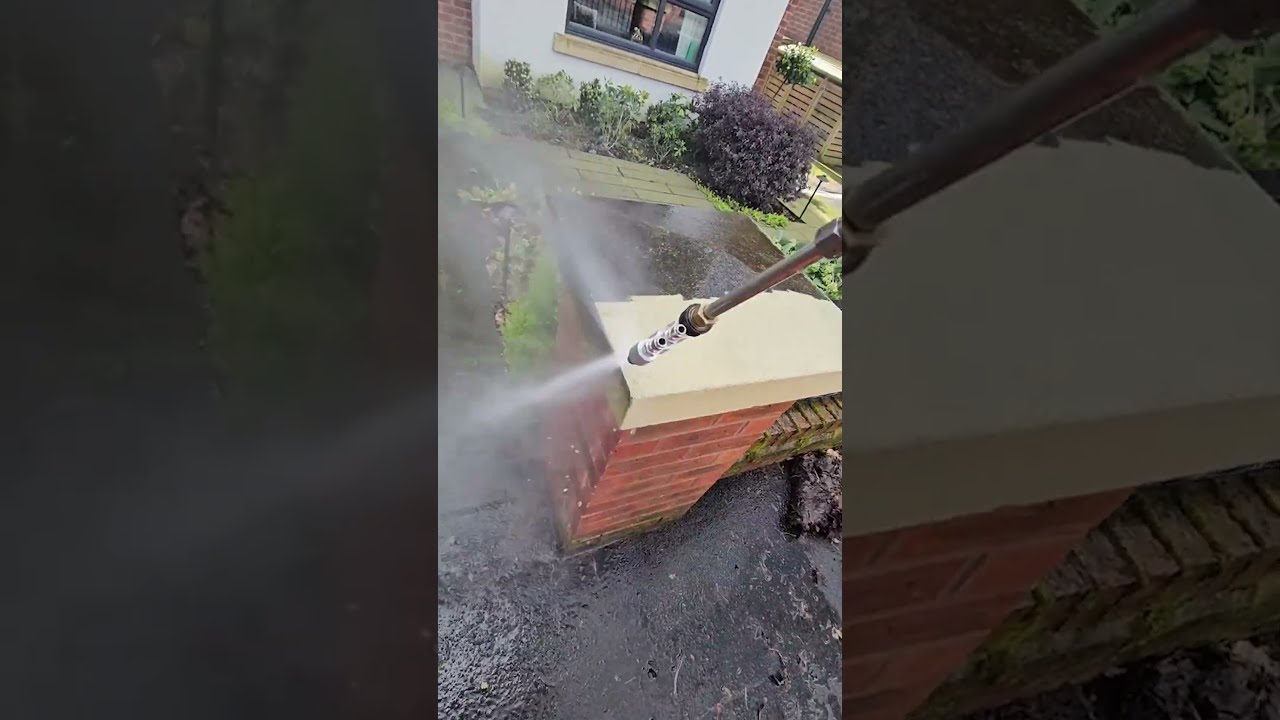
- Dry Sweep First: Remove loose leaves, silt, and surface dirt with a broom or leaf blower before introducing any water to the area.
- Use Rotary Surface Cleaners: Flat surface cleaner attachments enclose the spray nozzles, preventing water overspray and cleaning large flat areas up to four times faster than a standard wand.
- Treat Biological Growth Prior to Washing: Applying eco-friendly detergents formulated to neutralize Northern Rivers mould and lichen softens the growth, allowing it to lift immediately under minimal water pressure.
- Avoid Peak Heat: Clean exterior surfaces early in the morning or on overcast days so surfaces remain moist longer without requiring extra rinse water due to rapid evaporation.
The Verdict
For Lismore homeowners and commercial facility managers looking to balance curb appeal with sustainability, pressure cleaning is the definitive winner. By substituting high mechanical force for high water volume, pressure cleaning uses up to 70% less water than washing down surfaces with a hose and scrubbing brush, making it the superior, eco-conscious choice for exterior property maintenance.
Lismore Pressure Cleaning
(02) 6617 2969